01
Choose the matter folder and the question you need answered.
Secure AI agent for law firms and legal operations
Boxwood reads the files you choose and builds a chronology, key-fact summary, open-question list, and source trail. Files remain stored in your environment; the content needed for AI processing goes to your firm’s private Azure OpenAI deployment.
$995 per seat each year. Azure OpenAI usage is billed separately through your own Microsoft account.
A 90-minute workflow discovery and coaching session is recommended for most teams.
Start here
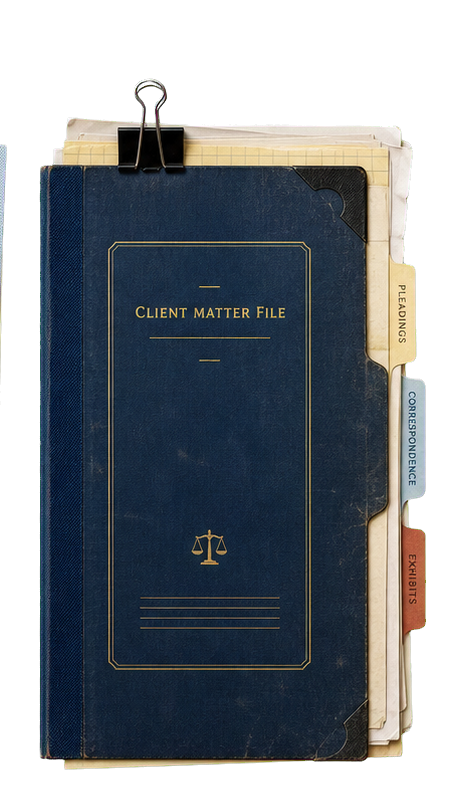
Turn correspondence, pleadings, evidence, and notes into a source-linked chronology and working brief the lawyer can inspect.
Choose the matter folder and the question you need answered.
Build the chronology, pull out key facts, and flag missing information.
Review every finding against its source, then save the workflow for the next matter.
Proof demo
Boxwood researches the issue, reads the matter files you choose, and prepares a cited report with the supporting records ready to check.
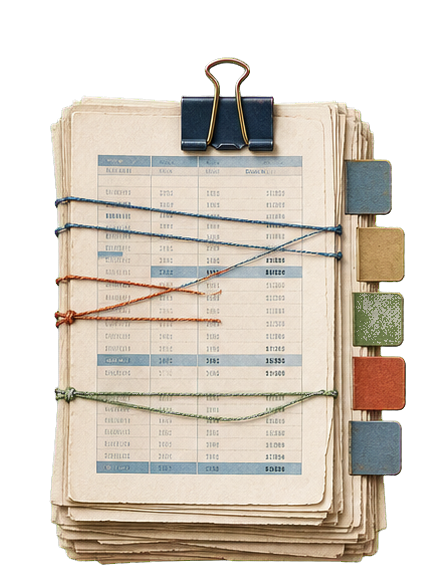
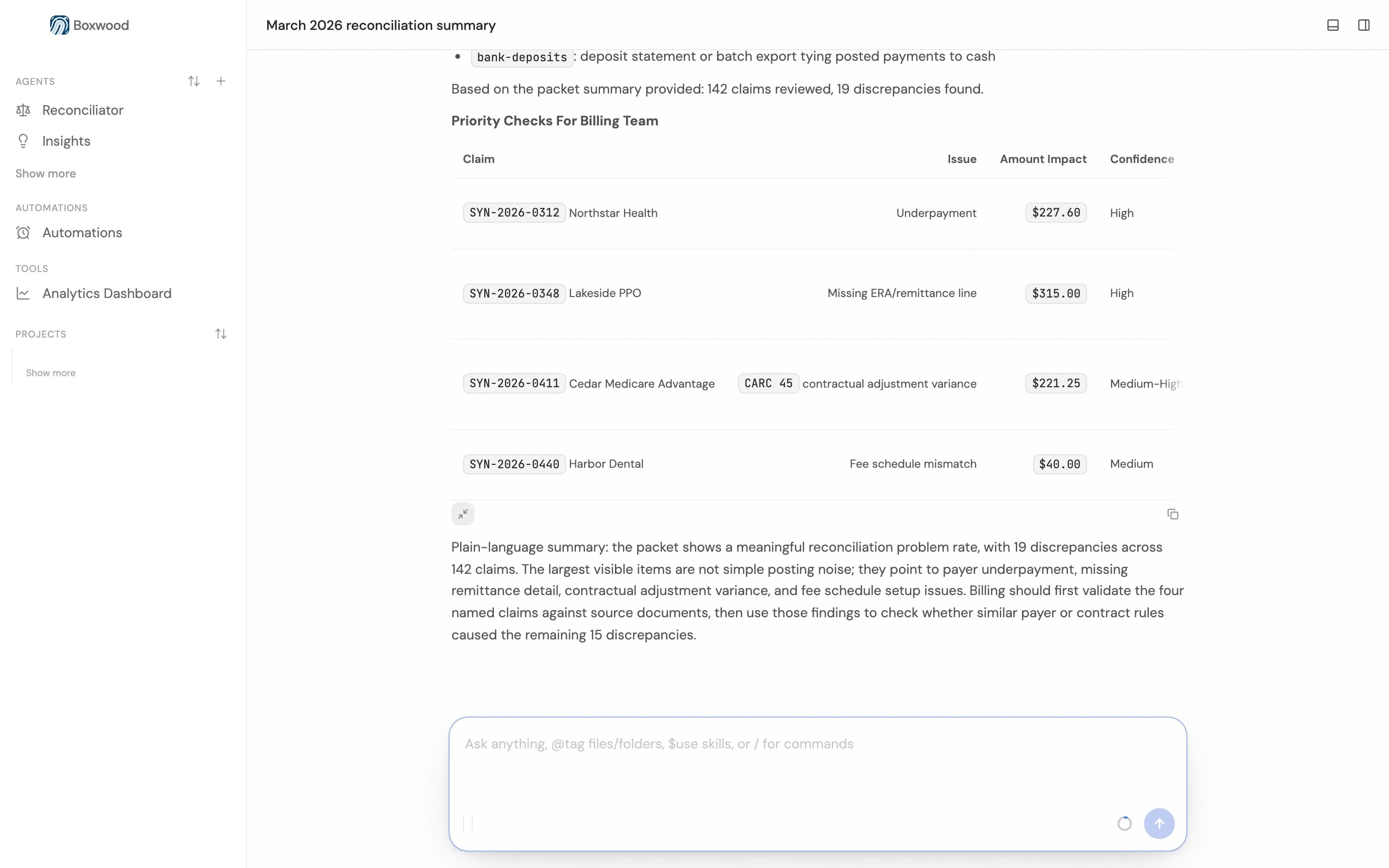
Legal billing and trust review should already be automated. Comparing matter records, trust ledgers, and bank activity is repetitive. AI can do the comparison. The problem is the data. Client files and trust-account records cannot be dropped into an ordinary AI tool. Firm policy and professional obligations say no. Boxwood turns no into yes. Docket works from the matter folders and records you choose. Source files, artifacts, and work history stay in the local workbench. When AI is needed, approved inference context goes through your firm's Azure OpenAI account. Use Docket to compare billing exports, trust ledgers, and supporting records. It flags differences and links each finding to its source, so you can inspect the evidence yourself. Legal work that ordinary AI could not be approved to handle can now be automated.
More than one workflow
Describe another job, choose the files and tools it can use, and run it. When the process works, save it so you or your team can use it again.
Research an issue, compare authorities, and combine the findings with the facts in the matter file.
Read approved documents, correspondence, timelines, and evidence, then prepare a reviewable case brief.
Use the same agent for document review, chronology work, billing checks, and other repeatable firm processes.
How the workflow moves
Choose the files and research scope. Boxwood prepares the report and keeps the authorities and matter records ready to check.
Choose the matter folder, legal question, jurisdictions, and approved research sources.
The AI sees only the information you choose for this job through your organization’s private Microsoft account.
The agent researches the issue, reads the approved matter files, and prepares the report.
The report returns to the workbench with the cited authorities and supporting matter records available to inspect.
Workflow coaching
Unless you already build agents yourself, the coaching is where much of the value comes from. We help you see which parts of the day can become repeatable Boxwood workflows.
Walk through how your team actually spends its day.
Find the repetitive work Boxwood can handle and your team can check.
Choose the best first workflow and set it up together.
For legal, IT, and compliance review
Boxwood keeps source files, results, and work history on your computer. When a task needs AI, it sends that task's content to the Azure OpenAI deployment your organization creates and controls. Microsoft bills you for it directly; Ironwood never needs your key.
How HIPAA compliance applies to an AI agent ->Source files, artifacts, credentials, and work history live in the local workbench on your machine.
When a step needs AI, its content goes to your organization's configured Azure OpenAI deployment. Not to a public chatbot, and not through our servers.
Results link to the file, row, or record they came from, so the person reviewing can open the evidence directly.
An agent can touch only the files and connectors you selected for that workflow.
Pilot inquiries
Research a case, review documents, compare records, update a spreadsheet, or build a reusable internal tool. We will run your example through Boxwood and show you the result, the source trail, and where the information went.